- By Sam Singh
- Updated Oct 25, 2026

When it comes to moving your car from Brisbane to Melbourne, cost isn’t just a number—it’s a reflection of convenience, peace of mind, and trust. In 2025, the car transport industry across Australia has evolved dramatically, blending logistics technology with real-time tracking, greener routes, and faster delivery windows. But the question every car owner still asks remains the same: how much does it really cost to transport a car from Brisbane to Melbourne?
As of 2025, transporting a standard sedan from Brisbane to Melbourne costs between $750 and $1,400 depending on factors like vehicle size, delivery type, and carrier availability. SUVs or 4WDs can cost between $1,000 and $1,800, while luxury or enclosed carrier options can go up to $2,200.
This route covers roughly 1,700 kilometres, and takes around 2 to 5 days for most carriers to complete, depending on whether you choose door-to-door or depot-to-depot service.
So yes—when comparing fuel, accommodation, and wear-and-tear, using a professional service is often not only cost-effective but also safer and more predictable. Many customers who initially plan to drive their cars down later realise the value of interstate car transport—saving themselves days on the road and hundreds in hidden costs.
Understanding What You’re Paying For
Transporting a car interstate is not just about loading it on a truck. Each quote you receive from a provider reflects the type of carrier, the level of service, the vehicle’s size, and even seasonal demand.
Think of it like booking a flight—economy, business, and first-class all get you to the same destination, but the experience and protection vary dramatically. The same applies to vehicle transport across Australia. Let’s break down the costs and factors in more detail.
1. Distance and Route Efficiency
Brisbane to Melbourne is one of Australia’s most popular vehicle transport routes. The demand is high—thousands of relocations happen monthly between these two major cities.
However, distance remains the primary cost driver. A 1,700 km journey involves logistics coordination, fuel consumption, driver shifts, and insurance coverage.
Most carriers operate along the Pacific and Hume Highways, offering both express and economy routes.
-
Economy runs take 4–5 days, usually through shared truck loads.
-
Express or dedicated carriers can deliver within 48–72 hours at a higher premium.
Choosing between these depends on your urgency and budget.
2. Vehicle Type and Condition
Not all cars are equal when it comes to transport pricing. Here’s a snapshot of how type impacts cost:
.png)
If your vehicle is non-running or needs winching, you’ll typically pay an additional $150–$250, since special loading equipment and handling are required.
3. Open vs Enclosed Carriers
This is one of the biggest decisions impacting your cost—and peace of mind.
-
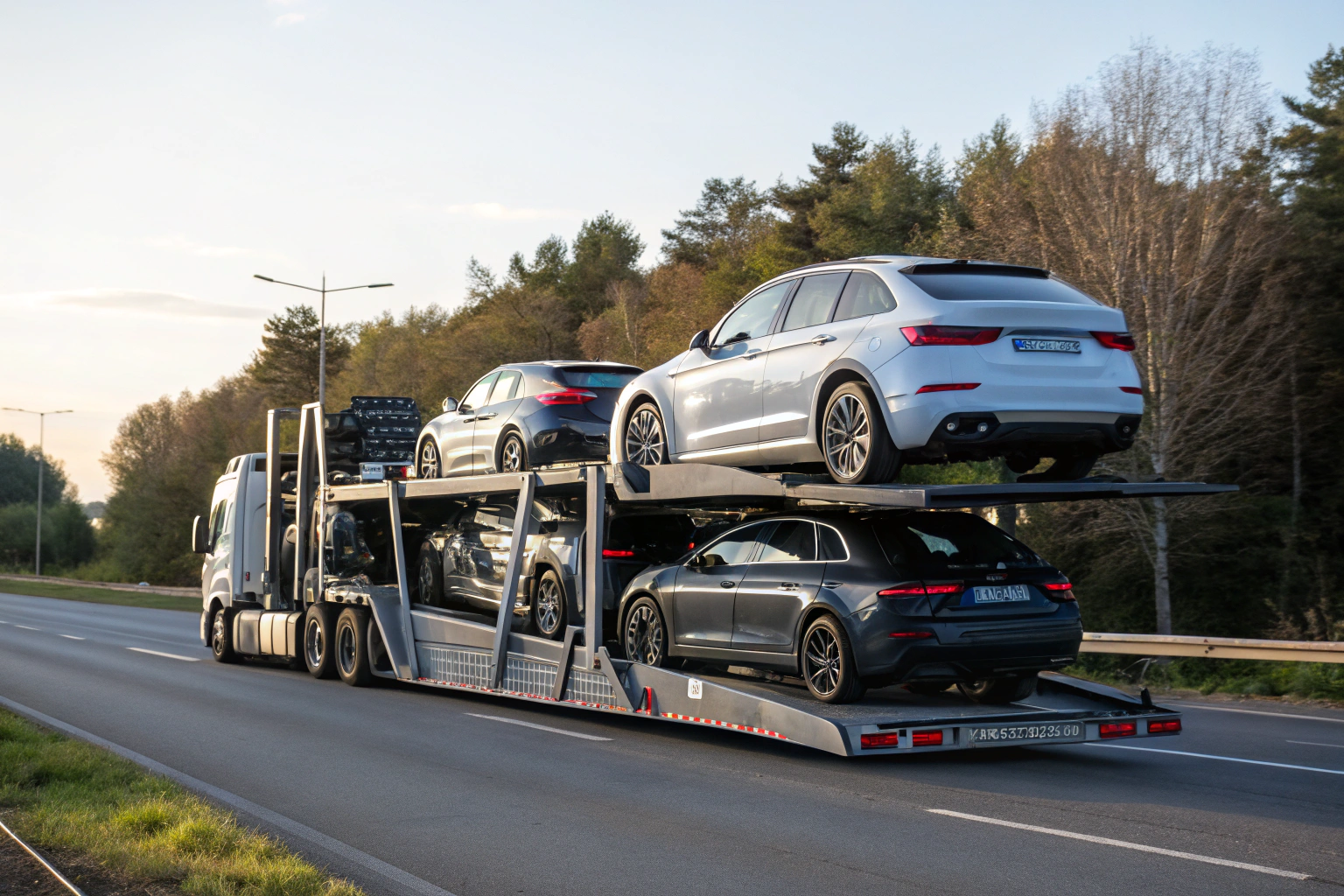
Open Car Carriers: These are the large, multi-vehicle trucks you often see on highways. They’re economical and reliable but expose your vehicle to weather and dust.
-
Enclosed Car Carriers: Designed for prestige, vintage, or collector cars. These carriers shield your vehicle completely, offering maximum protection at a higher rate.
If you own a rare or expensive car, enclosed transport isn’t a luxury—it’s an investment in preservation.
4. Door-to-Door vs Depot-to-Depot
Your delivery choice plays a big role in final pricing:
-
Depot-to-Depot: You drop off and collect your vehicle from the company’s yards. It’s cheaper—saving around $100–$200—and ideal if you’re flexible with timing.
-
Door-to-Door: The vehicle is picked up and delivered right at your doorstep, offering convenience but adding to the final bill.
Most people moving houses or relocating families prefer door-to-door, while car dealers and fleet transfers often choose depot options for efficiency.
5. Season and Timing
Here’s something most guides miss: seasonality affects pricing. During summer holidays or end-of-year moves, demand for transport between Brisbane and Melbourne spikes—leading to a 10–20% increase in cost.
Booking early or choosing off-peak months (February to May) often gets you a better rate and faster delivery.
6. Add-ons: Tracking, Insurance, and Speed
Modern car transport companies offer GPS tracking and transit insurance as part of their service—some include it in the quote, others charge extra.
Make sure your chosen company provides comprehensive cover that protects against damage, theft, or delay.
If you need the car urgently, some carriers offer express options—delivering in 2–3 days instead of 5. Expect to pay around $200–$400 extra for this premium service.
7. Fuel Prices and Logistics Costs in 2025
One key reason 2025 pricing has shifted compared to previous years is fuel volatility. With global fuel prices fluctuating, many transport companies have introduced dynamic fuel surcharges.
Some now also invest in hybrid or electric carrier fleets, offering eco-friendly routes at similar or slightly higher costs. So while prices may seem higher than 2023, the trade-off is improved reliability and sustainability.
Cost Comparison: Driving vs Hiring a Carrier
Let’s talk numbers—because that’s where the truth lies.
Driving from Brisbane to Melbourne yourself:
-
Fuel: ~$300–$400
-
Accommodation (2 nights): ~$250
-
Meals & incidentals: ~$100–$150
-
Wear & tear / depreciation: ~$200+
-
Time lost (2–3 days): Priceless
Total: Around $850–$1,100, not including the exhaustion or risk of long-distance driving.
Hiring a interstate car transport in Australia:
-
Average: $750–$1,400
-
Includes insurance, handling, and convenience.
You spend roughly the same—but save your car, your time, and your energy.
How to Choose a Reliable Car Transport Provider
When comparing quotes, price isn’t the only factor that matters. Reliability, communication, and insurance coverage often make or break the experience.
Here’s a quick checklist before you book:
-
Verify the company’s Australian Business Number (ABN) and reviews.
-
Ask for written quotes including GST and insurance.
-
Confirm estimated pickup and delivery windows.
-
Check for tracking updates and customer service support.
-
Read fine print for cancellation or delay policies.
Remember, the cheapest isn’t always the smartest choice.
How to Save Money on Brisbane to Melbourne Car Transport
If you’re flexible and strategic, you can cut down costs without compromising on quality.
-
Book Early: Prices rise closer to departure dates.
-
Choose Depot Pickup: Save $100–$200 by dropping the car off yourself.
-
Combine with Moving Services: If you’re relocating, bundle car transport with removal services.
-
Avoid Peak Seasons: Late January and December are the costliest times to move.
-
Ask About Backloading: Some carriers offer discounted rates when returning empty trucks southbound.
What 2025 Customers Are Demanding
Today’s customers don’t just want their car moved—they expect transparency and technology. Real-time GPS updates, AI-optimised routes, and digital insurance documentation are now standard in vehicle transport Australia services.
Companies that fail to offer digital convenience are quickly losing ground to tech-driven competitors who can deliver cars faster, safer, and with real-time visibility.
Final Thoughts
By now, you understand that the cost to transport a car from Brisbane to Melbourne in 2025 isn’t just about distance—it’s about value and confidence.
For most Australians, choosing a professional carrier is the difference between stress and simplicity. The upfront cost might seem similar to driving yourself, but when you factor in time, safety, and convenience, it’s a no-brainer.
Whether you’re relocating, selling your car, or sending it to a family member, investing in professional transport gives you peace of mind and predictable results.
So the next time you search for car transport Brisbane to Melbourne, remember—smart logistics always pay off in the long run.
